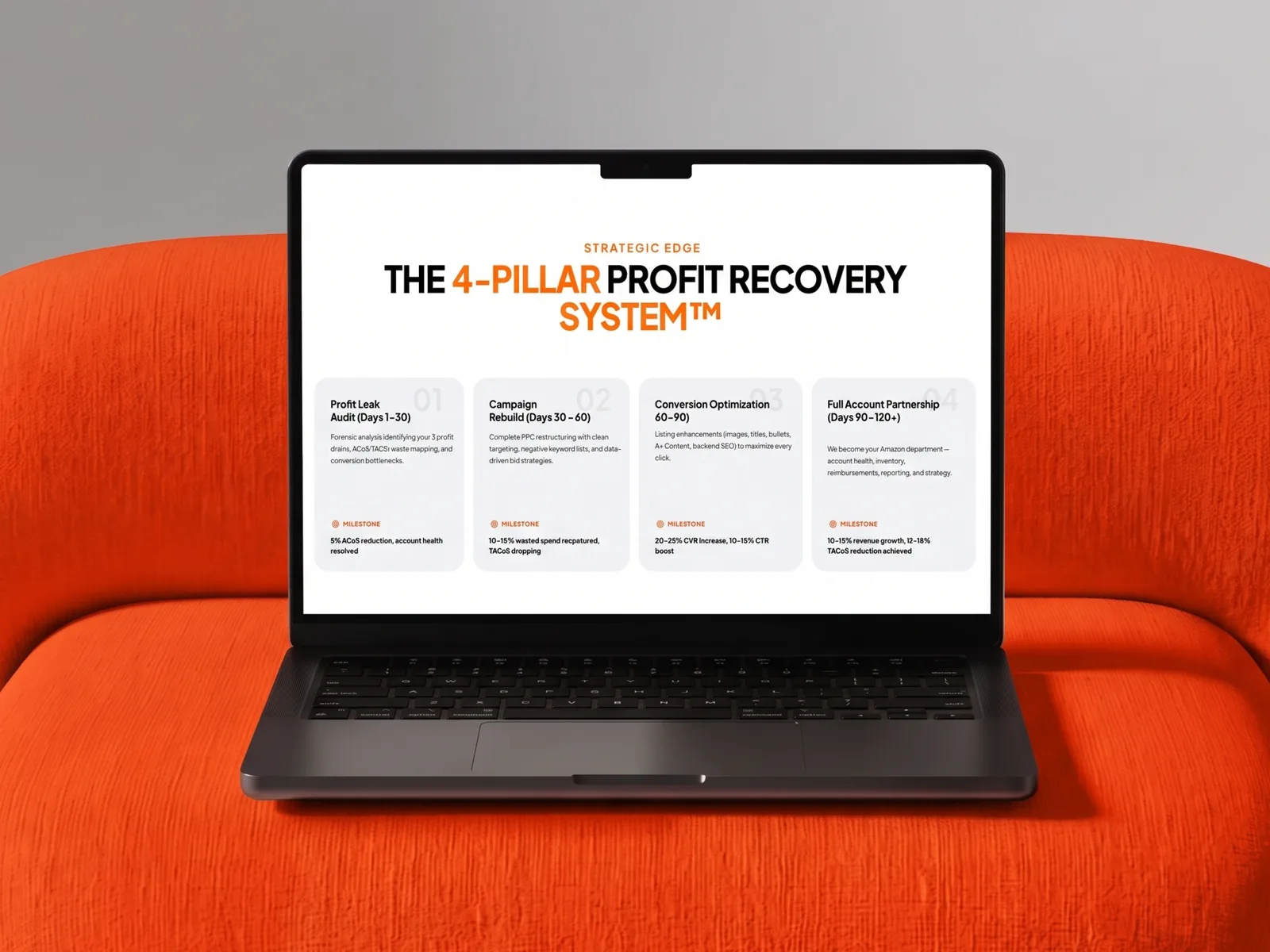
42% of Meta ad leads qualified before they touched the calendar.
42% qualified lead rate and a 74% show rate on Meta ad traffic
30 minutes. We'll show you what's costing you conversions. No pitch.
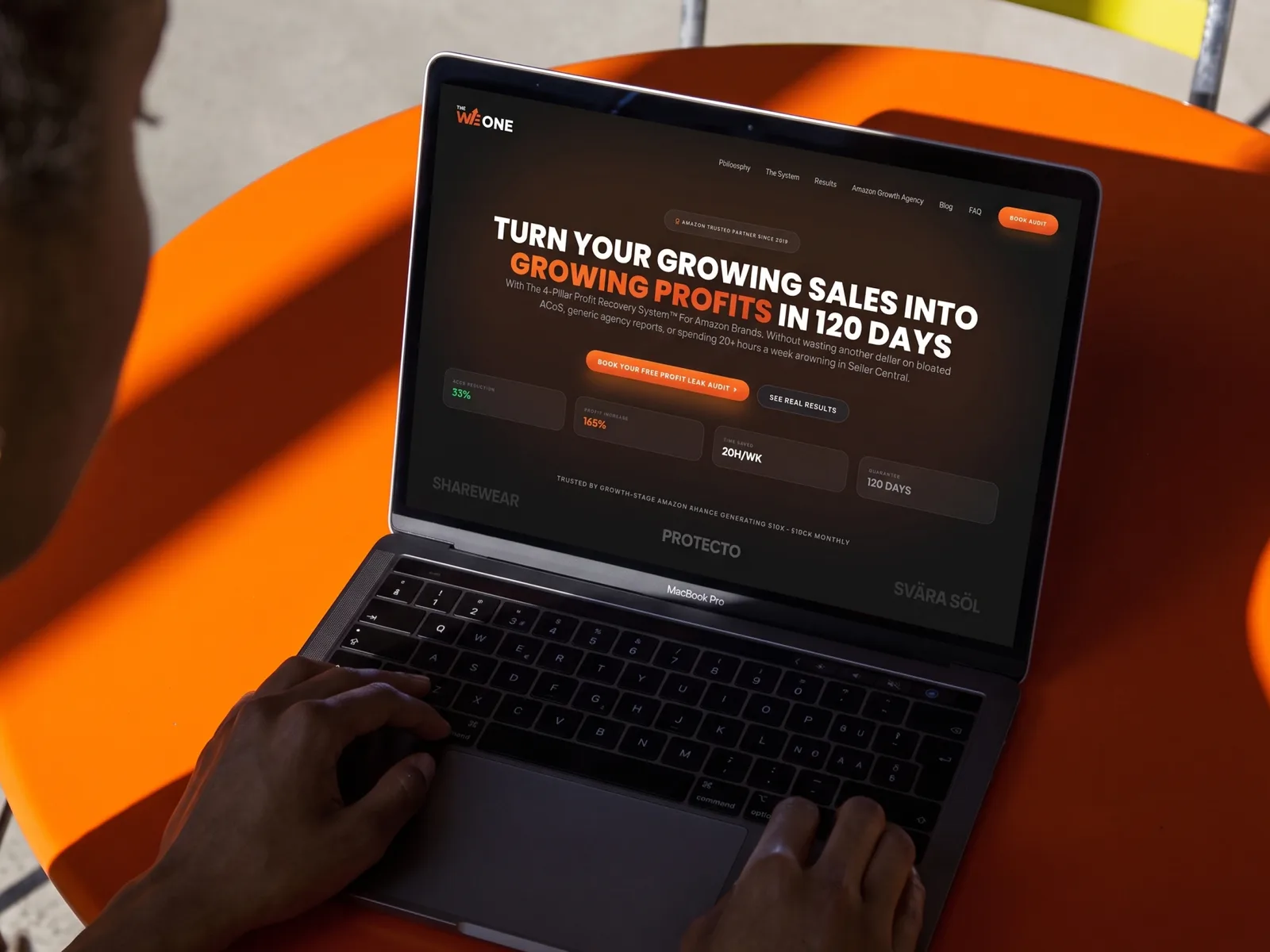
A conversion funnel for an Amazon growth agency running Meta ads to their free Profit Leak Audit offer.
The We One is a full-service Amazon growth agency based in Virginia, working with brands generating $10K to $100K monthly on Amazon and TikTok. They help sellers solve the Profitability Paradox: when sales grow but profits don't.
Real ad traffic, but no way to know who was worth a call.
No Filter Before the Calendar
Every ad click went straight to a booking link. The sales team had no way to know if the person booking was a $60K Amazon brand or someone just getting started.
Hours Lost to Unqualified Calls
10 to 15 hours a week went to calls that had no realistic chance of closing, time the sales team could have spent on leads that were actually ready.
Rising Cost Per Client, No Visibility
Cost per closed client kept climbing with no obvious reason, because there was no data on who was booking or why they weren't converting.
Four pages. One job each.
A Landing Page With One Offer, One CTA
A Multi-Step Qualification Form
A Booking Page That Only Unlocks After Qualifying
A Post-Booking Page That Protects the Show Rate
A Landing Page With One Offer, One CTA
One offer, one CTA. Copy built around the exact pain of The We One's ICP: growing sales, shrinking margins, 20 hours a week in Seller Central.
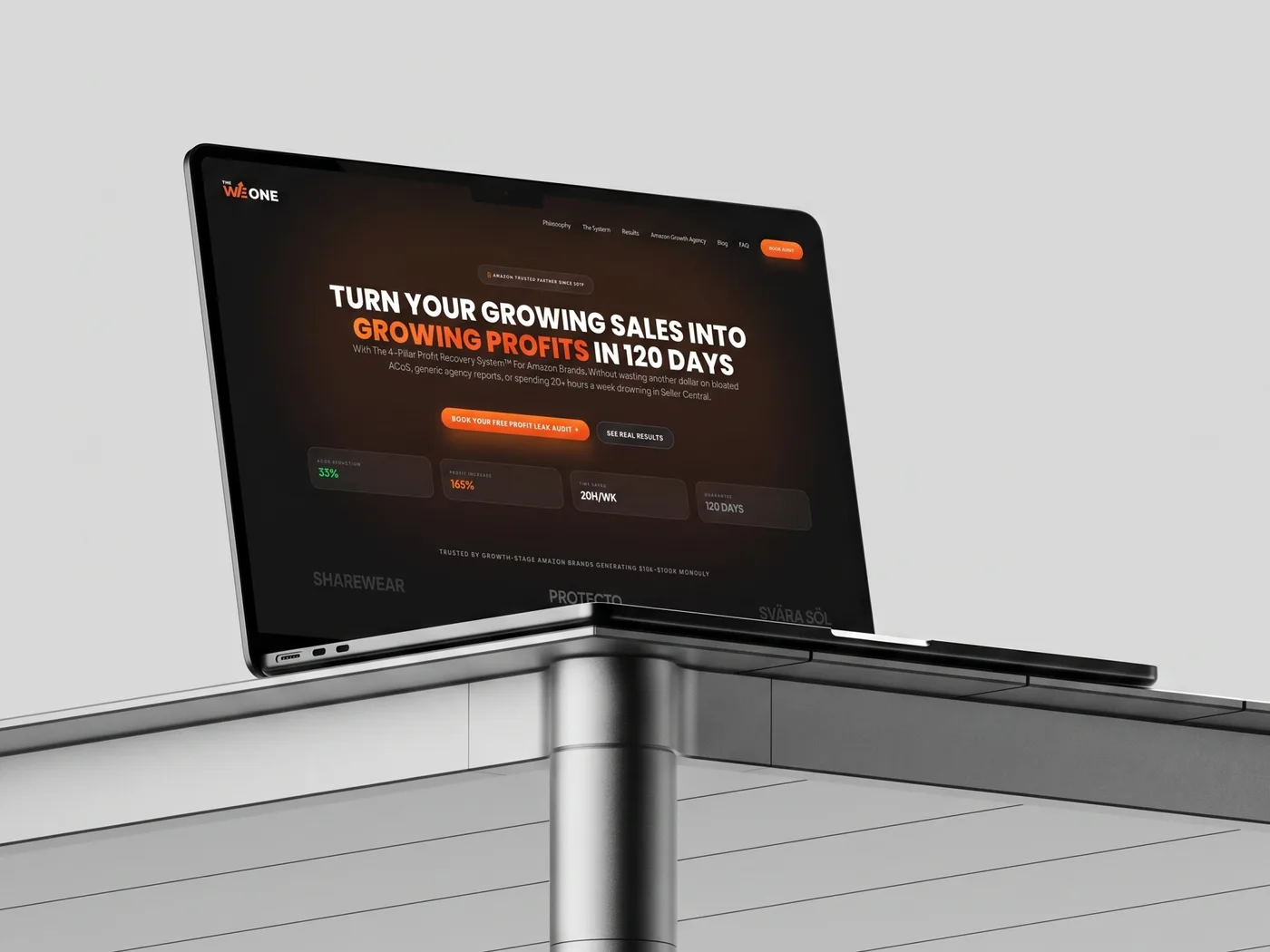
A Multi-Step Qualification Form
Collects monthly revenue, primary pain, and readiness. Qualified leads ($10K and above, clear pain, real timeline) route to booking. Everyone else gets a warm exit.
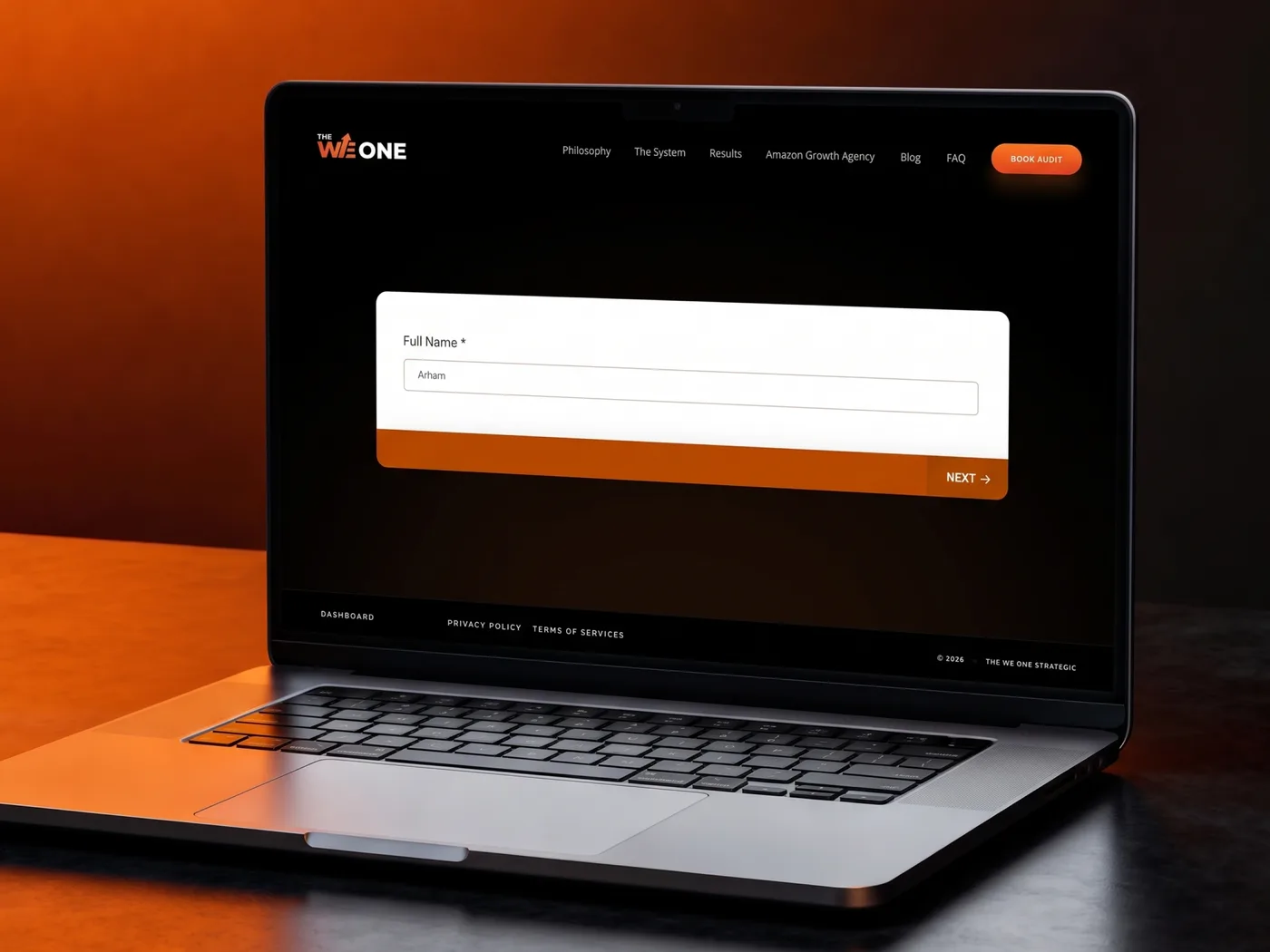
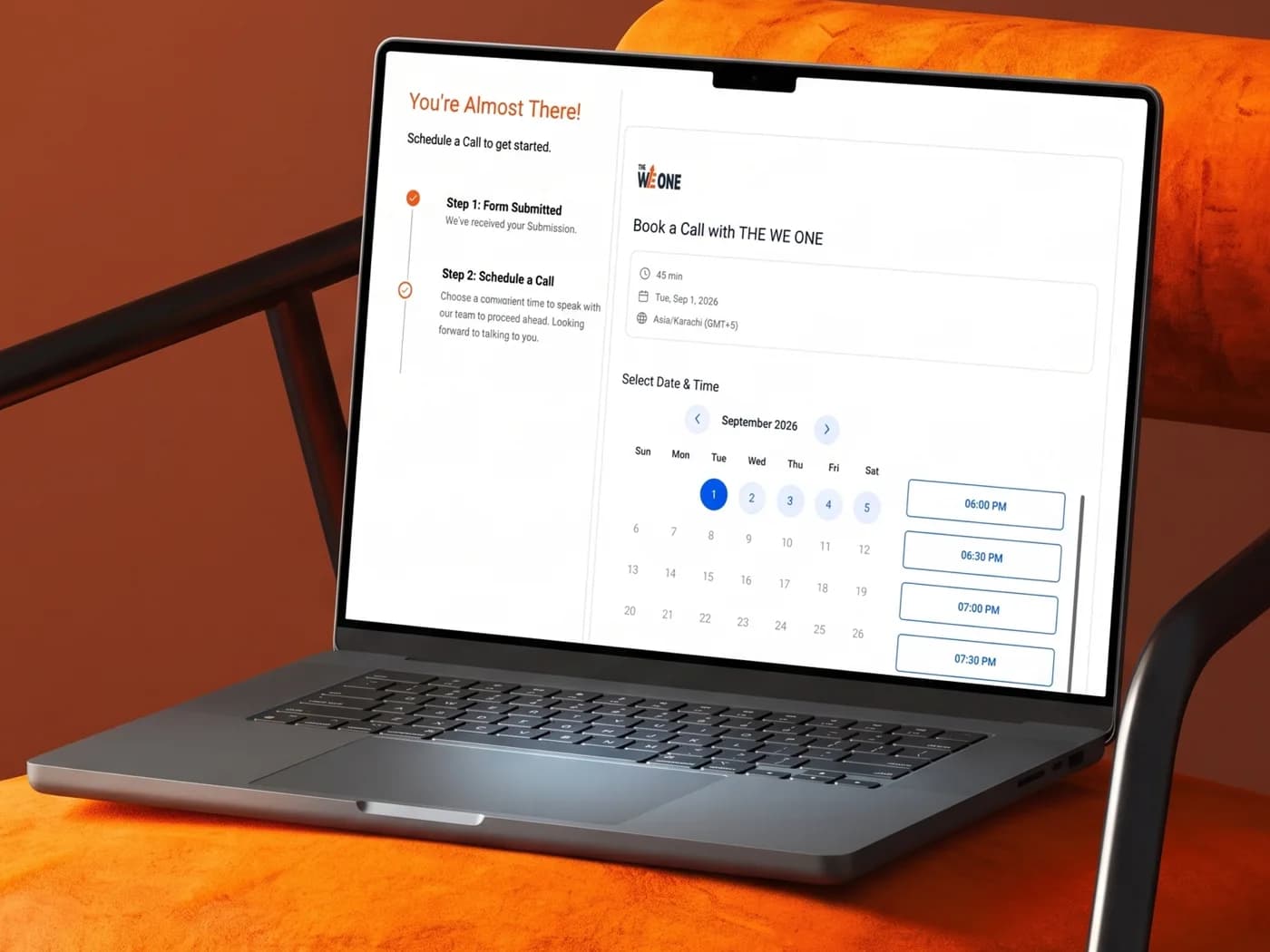
A Booking Page That Only Unlocks After Qualifying
Only accessible after qualifying. Pre-frames the call, what to expect and what to prepare.
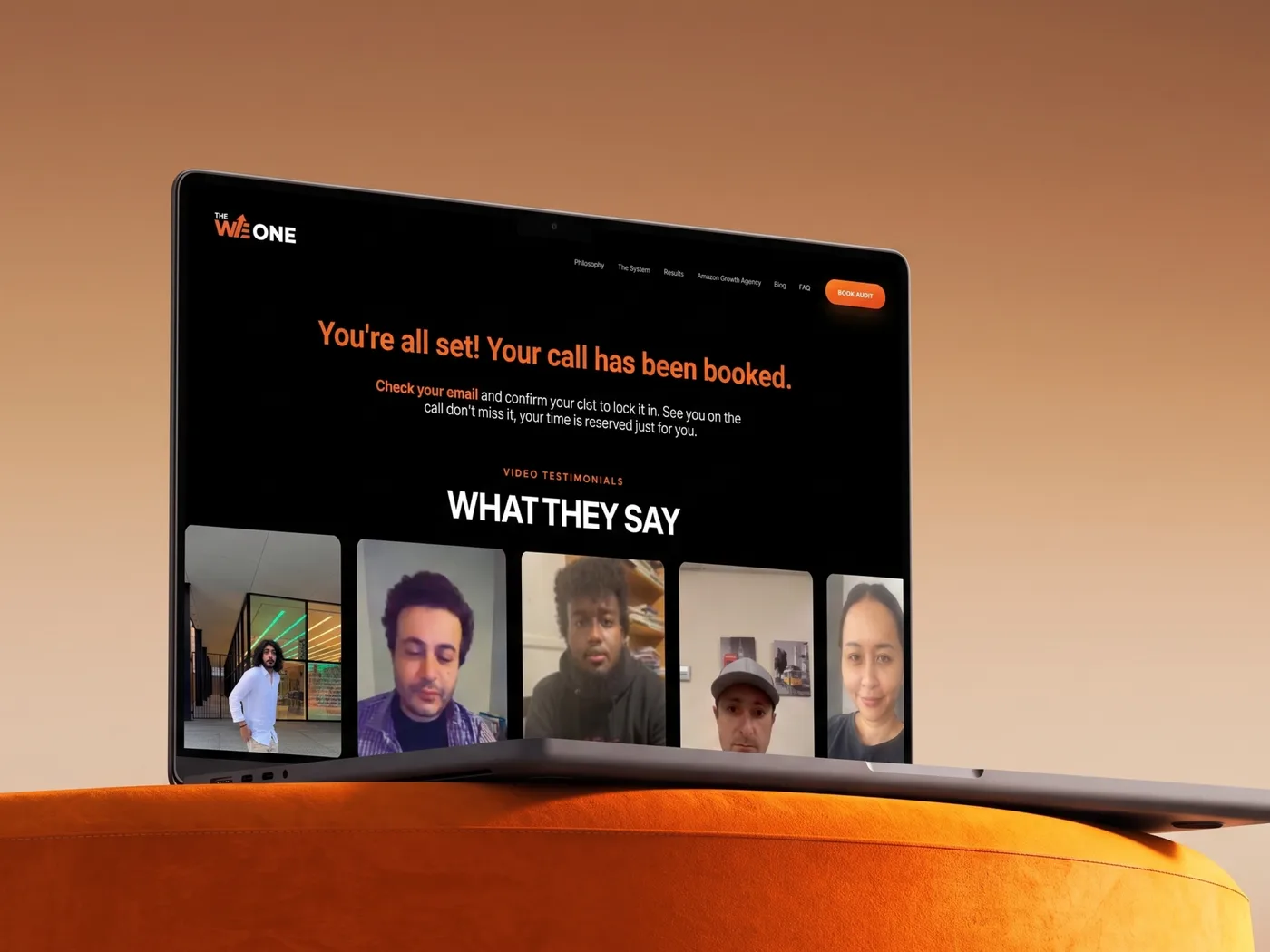
A Post-Booking Page That Protects the Show Rate
Confirms the slot, reinforces the value of showing up, reduces no-shows.
Built on WordPress with Elementor, from brief to live in 3 weeks.
Every ad click went straight to a calendar. The sales team had no way to know if they were about to talk to a $60K Amazon brand or someone just starting out.
We built the filter before the calendar.
The problem wasn't the ads. The offer was strong and the traffic was real. The problem was what the traffic landed on. A single page with one button and no way to separate the right fit from the wrong one. We stopped thinking about the landing page as a page and started treating it as the first sales conversation.
Impact by the Numbers